
Are Chinese MPVs Really the Future? Or Just a Risky Gamble?
BYD and XPENG Are Gaining Ground in Singapore—But Should You Trust the Hype?
- QHAOS Studios
- No Comments
Singapore’s roads are changing. Once dominated by Toyota Alphards and Vellfires, we’re now seeing more BYD M6s and XPENG X9s rolling out of showrooms. Some say these high-tech electric MPVs are the future. Others aren’t so sure.
Yes, the numbers are impressive—BYD made up 21% of new car sales in just two months. But are Singaporeans genuinely convinced, or is this surge driven by the EV Early Adoption Incentive (EEAI), which offers up to $20,000 in rebates before it ends on 31st December 2025? While the financial savings are attractive, the long-term viability of Chinese MPVs remains uncertain. Higher EV road tax could make ownership more expensive in the long run, and with Singapore’s charging infrastructure still developing, range anxiety is a concern, especially for those who rely on their MPVs for daily commutes or private hire services.
Battery degradation is another lingering question. Unlike internal combustion engines, EV batteries naturally lose efficiency over time, affecting resale value and long-term performance. Then there’s the issue of over-engineering—MPVs like the XPENG X9 are packed with cutting-edge electronics, but does that mean more costly maintenance and higher repair bills when things go wrong? For many, the biggest question remains unanswered: can these MPVs last beyond their first COE cycle? Toyota MPVs have a proven track record of reliability, often lasting well beyond 10 years, yet Chinese brands are still untested in Singapore’s climate and road conditions.
Before making the switch, it’s worth asking—are Chinese MPVs truly a smart investment, or just another passing fad fueled by short-term incentives and flashy technology?
The Rise of Chinese Car Brands in Singapore
For decades, Singapore’s car market has been shaped by Japanese and continental brands, with Toyota dominating the MPV segment. However, a new wave of Chinese automakers is aggressively expanding its footprint, leveraging cutting-edge electric vehicle (EV) technology, competitive pricing, and government incentives. Brands like BYD, XPENG, NIO, and GAC are no longer seen as cheap alternatives but as serious contenders, especially in the MPV category.
One of the biggest factors driving this shift is the Singapore Green Plan 2030, which has created an ecosystem that favours EV adoption. The EV Early Adoption Incentive (EEAI), set to expire on 31st December 2025, offers buyers up to $20,000 in rebates, making EV MPVs from brands like BYD and XPENG an attractive alternative to traditional petrol-powered vehicles. Additionally, the Vehicular Emissions Scheme (VES) provides further tax savings for buyers who choose low-emission vehicles, tilting the cost-benefit equation in favour of EVs.
BYD, in particular, has been making waves with its Blade Battery technology, which claims to have a longer lifespan and enhanced safety compared to conventional lithium-ion batteries. This has helped BYD carve out a strong presence in Singapore, with its vehicles now regularly seen on the roads as private hire cars and family MPVs. Meanwhile, XPENG’s entry into the market with the X9 MPV has drawn attention for its high-tech interiors, AI-driven features, and autonomous driving capabilities. But while Chinese carmakers have successfully positioned themselves as innovative and forward-thinking, many Singaporean buyers remain cautious.
The primary hesitation lies in long-term reliability. Japanese MPVs like the Toyota Alphard and Vellfire have established themselves as durable and dependable, often lasting beyond their first COE renewal. Chinese brands, on the other hand, have yet to prove themselves over a 10-year cycle in Singapore’s hot and humid conditions. With EV battery degradation still a major unknown, some buyers worry that resale values could plummet, leaving them with an expensive liability rather than a long-term investment.
Despite these concerns, the rapid growth of Chinese brands is undeniable. Whether this trend will translate into lasting market dominance or fade once government incentives are removed remains to be seen. For now, buyers are left weighing the trade-offs between short-term savings and long-term reliability
Spotlight on Chinese MPVs: BYD M6 and XPENG X9
Among the wave of Chinese electric vehicles entering Singapore, two MPVs stand out—the BYD M6 and the XPENG X9. Both models aim to challenge the dominance of the Toyota Alphard and Vellfire, offering modern styling, spacious interiors, and advanced technology. But are they truly viable alternatives, or are they simply riding on the EV hype?
BYD M6 – A Practical Yet Unproven Contender
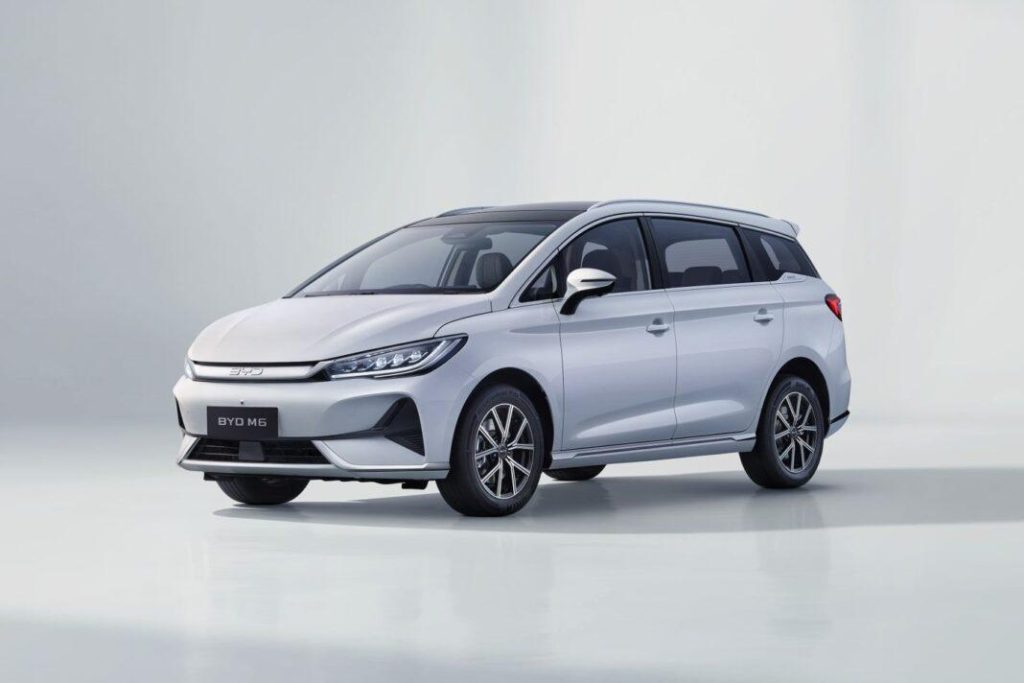
The BYD M6 is positioned as a family-friendly electric MPV, boasting a sleek design, a spacious seven-seater cabin, and the latest Blade Battery technology that promises enhanced safety and longevity. It features a fully digital dashboard, an intelligent driver-assistance system, and a large touchscreen infotainment system, catering to tech-savvy buyers.
However, while the M6 may appear to be a strong competitor to the Alphard, questions remain about its durability and long-term performance. Unlike Toyota, which has spent decades refining its MPVs, BYD’s experience in this segment is still relatively new. Additionally, concerns over battery degradation, limited charging infrastructure, and long-term maintenance costs have made some buyers hesitant.
XPENG X9 – High-Tech Luxury or Over-Engineered Complexity?
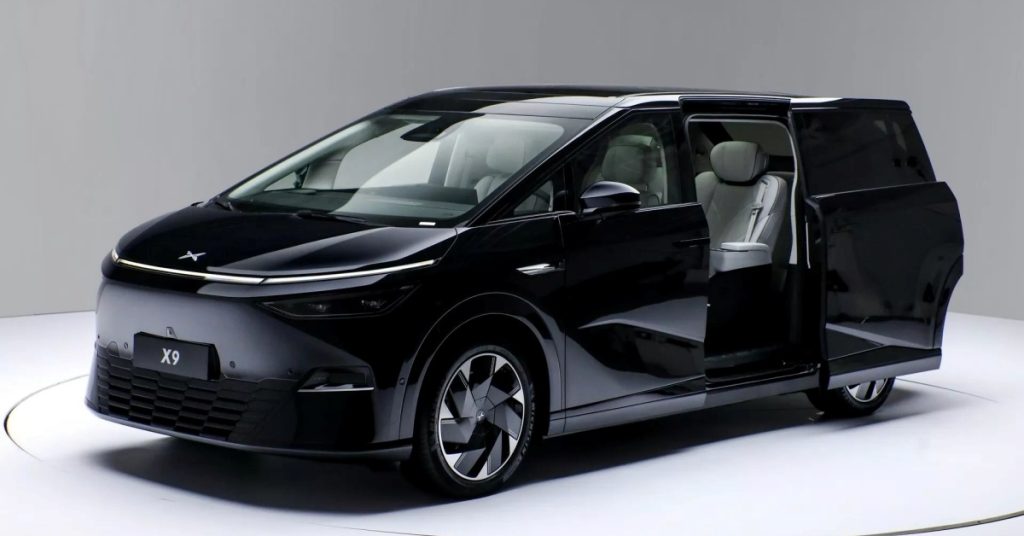
Launched on 9th January 2025, the XPENG X9 is one of the most technologically advanced MPVs on the market. It features a fully autonomous driving system, AI-powered voice controls, and an ultra-modern cabin with multiple interactive screens. The X9’s design leans heavily into a futuristic aesthetic, with sleek lines, a panoramic sunroof, and a minimalist interior. XPENG positions it as a premium alternative to traditional MPVs, offering cutting-edge technology at a competitive price point.
But this over-reliance on electronics has raised concerns. Some car buyers worry that too many digital components could lead to higher maintenance costs, especially if these complex systems malfunction outside the warranty period. Additionally, XPENG, unlike Toyota, has no track record of MPVs lasting beyond 10 years, making resale value another major uncertainty.
Are These MPVs a Smart Choice for Singaporean Buyers?
Both the BYD M6 and XPENG X9 offer exciting features and modern designs, but they come with significant trade-offs. While they benefit from EV incentives and lower initial costs, uncertainties surrounding battery life, charging accessibility, and long-term reliability remain key sticking points. Buyers looking for a proven, worry-free MPV may still lean towards the Toyota Alphard or Vellfire, while those willing to embrace new technology might take a chance on the Chinese alternatives.
As more drivers start adopting these new MPVs, the real test will be whether they can stand the test of time—both in terms of performance and resale value. For now, the question remains: are these futuristic MPVs a bold step forward, or an expensive experiment?
Japanese MPVs vs. Chinese MPVs – A Battle for Dominance
The rise of Chinese electric MPVs has undoubtedly shaken up Singapore’s automotive market, but does that mean they are ready to dethrone Japanese MPVs like the Toyota Alphard and Vellfire? While brands like BYD and XPENG are making bold moves with cutting-edge EV technology, the long-standing reputation of Japanese reliability, resale value, and ease of maintenance continues to hold strong.
Toyota Alphard & Vellfire – The Gold Standard of MPVs
For years, the Toyota Alphard and Vellfire have been the default choice for premium MPV buyers in Singapore. Their reputation is built on more than just comfort and space—these vehicles are renowned for their durability, reliability, and strong resale value. Many Alphard and Vellfire owners in Singapore have successfully renewed their COE beyond 10 years, a testament to Toyota’s engineering excellence. Maintenance is straightforward, with a well-established service network and readily available spare parts, keeping long-term costs predictable.
Another key advantage is that Japanese MPVs run on proven hybrid and petrol engine technology, making them more familiar to mechanics. Unlike EVs, which rely heavily on battery performance and complex electronics, Toyota MPVs are less susceptible to rapid depreciation due to technological obsolescence.
Chinese MPVs – Innovation, but at What Cost?
On the other hand, Chinese MPVs are aggressively positioning themselves as the new disruptors, offering sleek designs, high-tech features, and attractive pricing. Models like the BYD M6 and XPENG X9 come packed with advanced AI-driven systems, large infotainment screens, and autonomous driving capabilities, making them look futuristic compared to their Japanese rivals. But the biggest question remains: can they last?
A major concern for buyers is battery longevity. Unlike internal combustion engine (ICE) vehicles, EVs depend entirely on battery health, and degradation over time can significantly impact performance and resale value. While BYD’s Blade Battery claims to have a longer lifespan, BYD’s official battery warranty in Singapore is only 8 years or 160,000 kilometres, whichever comes first. Additionally, the State of Health (SOH) guarantee is only 70%, meaning that after eight years, the battery could lose up to 30% of its original capacity.
For PHV (private hire vehicle) drivers, this poses a serious problem—most ride-hailing drivers easily exceed 160,000 kilometres in less than eight years. Once the battery warranty expires, replacement costs could be extremely high, making these MPVs a financially risky option for commercial use. Even for personal car owners, the situation is concerning. If you plan to renew COE and resell the vehicle, the lower battery SOH and lack of warranty coverage could significantly affect resale value. Unlike the Toyota Alphard, which retains strong demand even after 10 years, a BYD MPV with a degraded battery may be much harder to sell.
Which One Makes More Financial Sense?
At first glance, Chinese MPVs might seem like a cheaper alternative, especially with government incentives like the EV Early Adoption Incentive (EEAI) and the Vehicular Emissions Scheme (VES) bringing down upfront costs. However, potential buyers must consider the long-term costs. Higher EV road tax, limited charging infrastructure, and uncertain resale values could make Chinese MPVs more expensive to own in the long run.
In contrast, while Toyota MPVs cost more upfront, they provide peace of mind, predictable maintenance costs, and stronger resale value. Many owners recoup a significant portion of their investment when selling their Alphard or Vellfire, something that remains a huge unknown for Chinese MPVs.
At the end of the day, the choice comes down to risk vs. reliability. Are you willing to bet on new technology that could either pay off or leave you with high maintenance costs? Or would you rather stick with a proven name that has stood the test of time? For many Singaporean buyers, the answer is clear.
If you’re in the market for a reliable, long-lasting MPV, it’s important to consider more than just the upfront cost. At Car Pulse, we specialise in proven Japanese MPVs like the Toyota Alphard and Vellfire, ensuring you get a vehicle that holds its value and performs well for years to come.